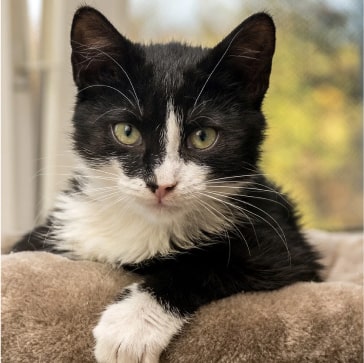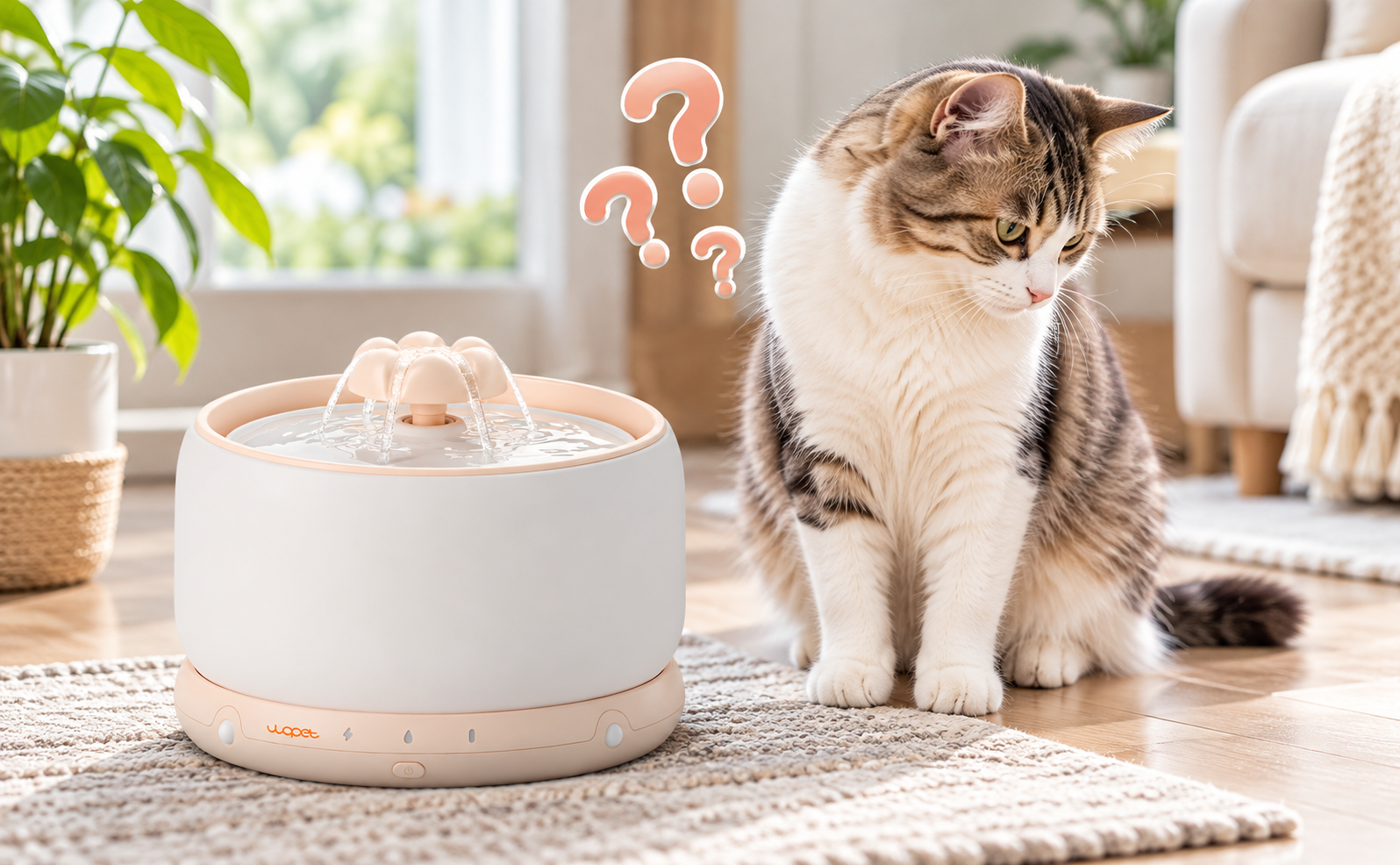

If your cat stopped using the water fountain, set out a separate bowl of fresh water first, then check what changed. Common causes include stale water, cleaner residue, a dirty filter or pump, different noise or flow, a new location, conflict with another pet, or a startling event near the fountain. A sudden drop in overall drinking can also require veterinary attention.
Do not wait for your cat to “give in,” and do not make the fountain the only available water source while troubleshooting.
First Question: Did Your Cat Stop Using the Fountain or Stop Drinking?
These are different problems.
- If your cat ignores the fountain but drinks normally from a clean bowl, the fountain or its environment is the likely issue.
- If your cat is drinking noticeably less from every source, treat it as a health concern rather than a product-training problem.
- If you cannot tell, place measured amounts of water in several clean bowls and observe them. Wet food also contributes moisture, so a bowl measurement is not a complete measure of total intake.
VCA advises contacting a veterinarian when a cat is not drinking enough. Seek prompt veterinary guidance if reduced drinking comes with lethargy, poor appetite, vomiting, diarrhea, dry or tacky gums, sunken-looking eyes, or another sudden change. Frequent litter-box visits with little or no urine require immediate veterinary attention because urinary obstruction is an emergency.
For a broader hydration check, WOPET’s guide to a cat not drinking enough water explains how food moisture and changes in drinking behavior affect what owners observe.
The Most Common Reasons a Cat Rejects a Familiar Fountain
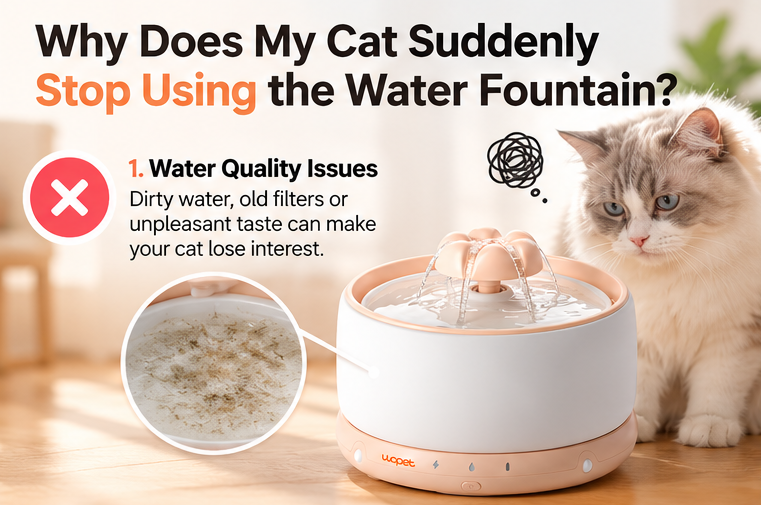
The Water Smells or Tastes Different
Cats can be sensitive to changes people barely notice. Water left too long, a saturated filter, food particles, hair, or a change in tap-water odor can make a familiar fountain less appealing.
Discard the water, wash the drinking surfaces, rinse thoroughly, and refill with the type and temperature of water your cat normally accepts. Do not mask an odor with fragrance or essential oils.
Soap or Cleaner Residue Remains
A fountain may look spotless but still smell like detergent. This often happens after deep cleaning or when a dishwasher product leaves fragrance on plastic, silicone, or a filter tray.
Rinse every pet-contact surface thoroughly. Never wash a disposable filter with soap, and use only cleaning methods permitted by the manufacturer.
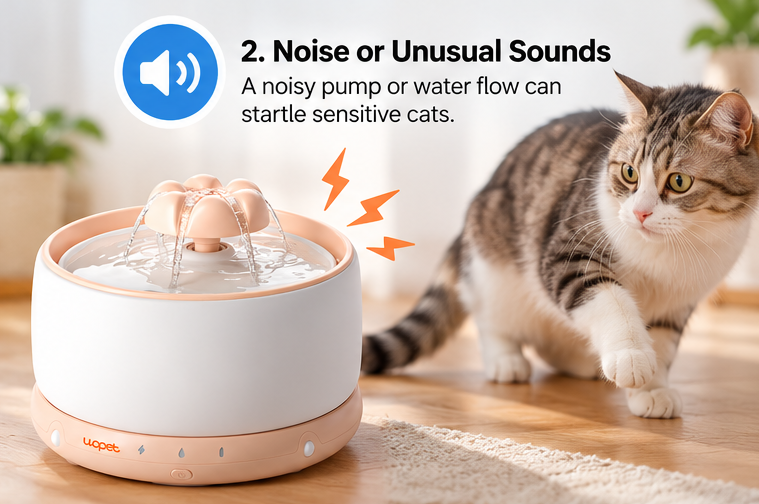
The Pump Sounds or Feels Different
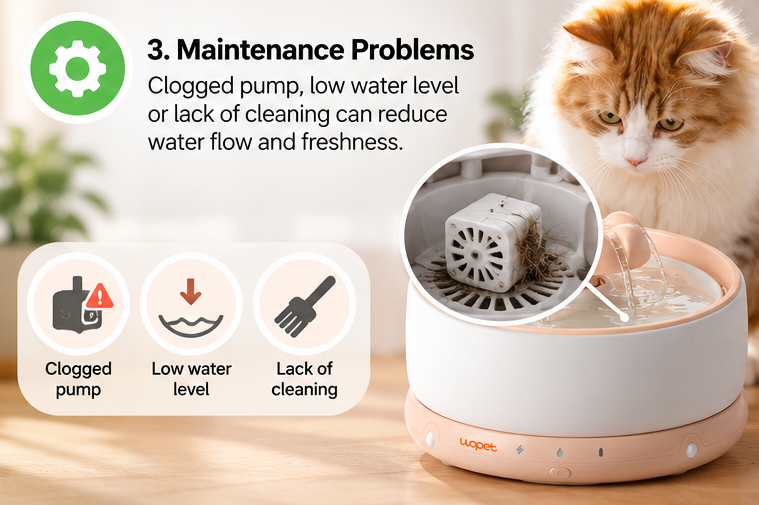
A pump can become louder when the water level is low, debris reaches the impeller, the unit is assembled incorrectly, or the fountain touches a surface that amplifies vibration. Your cat may notice the change before you do.
Unplug the fountain before handling powered parts. Check the fill level and assembly, then clean accessible pump parts according to the manual. WOPET’s guide explains how to clean a cat water fountain pump without treating every flow problem as a failed motor.
Buy WOPET W03 Cat Water Fountain on Amazon
The Flow Pattern Changed
A clogged filter may slow the stream, while a misplaced spout can splash or pulse. Some cats prefer a visible stream; others drink only from a calm surface. Restore the previous configuration if you recently changed a nozzle, mode, or filter.
Use the exact filter made for the model. A filter that fits physically is not automatically compatible.
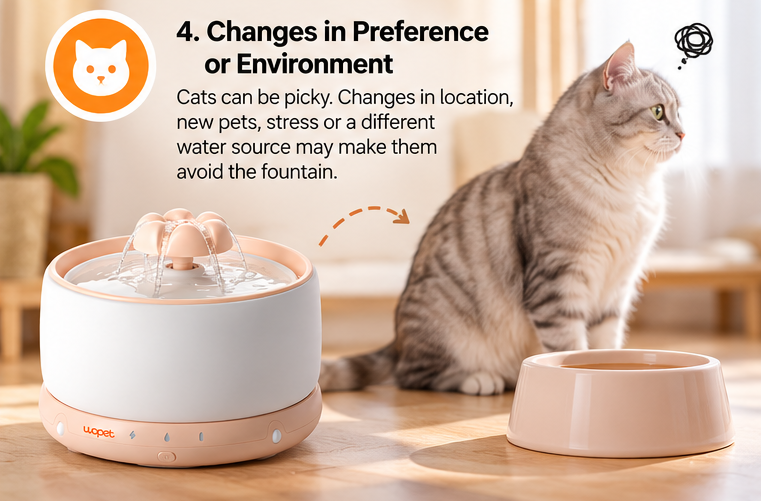
The Fountain Was Moved
A quiet water station can become stressful when moved beside a litter box, noisy appliance, doorway, food dish, or busy walkway. A cautious cat may also avoid a corner where another pet can block the exit.
Return the fountain to the last successful location if it is still safe, or use the checklist in where to put a cat water fountain.
Something Frightened Your Cat Nearby
A dropped object, sudden pump noise, barking dog, medication event, or fountain malfunction can create a negative association. Forcing the cat toward the fountain may strengthen the avoidance.
Give your cat space and keep a bowl available elsewhere. Reintroduce the fountain gradually after the cause is fixed.
Access Became Uncomfortable
Arthritis, dental pain, neck discomfort, declining vision, weakness, or recovery from illness may make a previously easy posture difficult. A new mat with a raised edge or a slippery floor can also change access.
Look for hesitation, crouching, slipping, dropping food, facial sensitivity, or difficulty stepping over the mat. Ask your veterinarian about sudden physical changes rather than simply elevating or altering the fountain against its instructions.
A Safe Troubleshooting Routine
- Set out fresh water in a clean, wide bowl. Put it in a calm, accessible place.
- Unplug the fountain. Empty it and inspect the basin, cable, connector, pump, filter, tube, lid, and seals.
- Smell the components. Sour, perfumed, or musty odors signal a cleaning or replacement issue.
- Clean and rinse. Follow the model instructions and rinse until no cleaner scent remains.
- Check the filter. Replace it when due or when damaged, slimy, heavily discolored, or no longer allowing normal flow. Follow the manufacturer’s schedule; WOPET’s filter replacement guide explains why household conditions matter.
- Reassemble carefully. Fill to the marked level and run the fountain away from the cat first.
- Listen and watch. Check for new vibration, sputtering, splashing, leaks, or an unfamiliar flow pattern.
- Return it to a successful location. Keep the separate bowl available.
Change one variable at a time. If you replace the water, move the fountain, change the filter, and alter the flow simultaneously, you will not know which factor mattered.
How to Help Your Cat Use the Fountain Again
Let your cat approach voluntarily. Start with the cleaned fountain turned off if the sound appears to be the problem, then run it briefly at a distance your cat tolerates. Reward calm investigation with praise, play, or a small appropriate treat—never by placing a paw in the water.
Keep the familiar bowl beside or near the fountain during the transition, then move the bowl gradually only after fountain use is consistent. Some cats will always prefer a bowl. Reliable hydration matters more than making every cat use the same device.
For a fuller transition plan, see WOPET’s guide on training a pet to use a water fountain.
When to Contact the Manufacturer
Stop using the fountain and contact the manufacturer if you find a damaged cord, hot adapter, cracked basin, persistent leak, burning smell, repeated electrical interruption, or a pump that will not run after approved cleaning and correct assembly. Do not improvise electrical repairs or substitute an unapproved power supply.
Frequently Asked Questions
How long can a cat go without using its fountain?
The important question is whether the cat is getting water elsewhere. Provide a clean bowl immediately; do not use fountain refusal as a test of thirst. Contact your veterinarian if overall intake drops or your cat seems unwell.
Can a dirty filter make a cat stop drinking?
Yes. A clogged or overdue filter can affect odor, taste, and flow. It is only one possibility, so also inspect the pump, water, basin, location, and your cat’s health.
Should I buy a new fountain right away?
Not necessarily. First test fresh water in a clean bowl and inspect the current fountain. Replace the unit if it is damaged, unsafe, impossible to clean, or consistently rejected after a gradual reintroduction.
The Bottom Line
When a cat suddenly stops using a water fountain, protect water access first and troubleshoot second. Restore familiar water, quiet operation, normal flow, a safe location, and a clean scent-free setup. If your cat is drinking less overall or shows other symptoms, call your veterinarian instead of treating the issue as stubborn behavior.
Editorial Sources