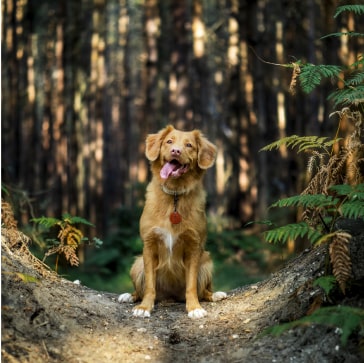

As dogs get older, small changes in their routine can make everyday things—like walking to the water bowl—feel less easy. If your senior dog seems to be drinking less, start by making water simpler to reach and noticing what has changed. A fountain or a new bowl can help some dogs, but a change in thirst can also be a health clue, so it should not be treated as a problem to solve with a product alone.
First, notice whether drinking has changed
There is no single daily amount that fits every older dog. A commonly used rough reference for a healthy dog is about 1 fluid ounce of water per pound of body weight a day, but it is not a target for every senior dog: wet food contributes moisture, while weather, activity, medication and health can change needs. Ask your veterinarian what is appropriate if your dog has kidney, heart or urinary disease, takes medication, or follows a prescription diet. Pay more attention to a clear change from your dog’s normal pattern than to a generic number. A sudden or persistent drop—or a rise in thirst and urination—deserves a call to your veterinarian. In older dogs, increased drinking can be associated with conditions such as kidney disease, diabetes or liver disease, so don’t assume it is simply part of aging. VCA’s senior dog care guide recommends keeping fresh water available, tracking consumption and discussing sustained changes with a veterinarian. PetMD’s guide to dogs drinking less also advises contacting a vet when intake changes without an obvious explanation.
Why an older dog may be drinking less
It may not be stubbornness. Arthritis or weakness can make the walk to a bowl or bending down uncomfortable; dental or mouth pain can make drinking unpleasant; and changes in vision, hearing or routine can make a familiar water spot harder to find. A noisy location, a slippery floor or another pet guarding the route can also get in the way. If you notice signs of mouth pain, difficulty swallowing or a sudden behavior change, ask your veterinarian to check for a cause instead of relying only on home adjustments.
8 gentle ways to make water easier to choose
1. Put water close to the places your dog rests
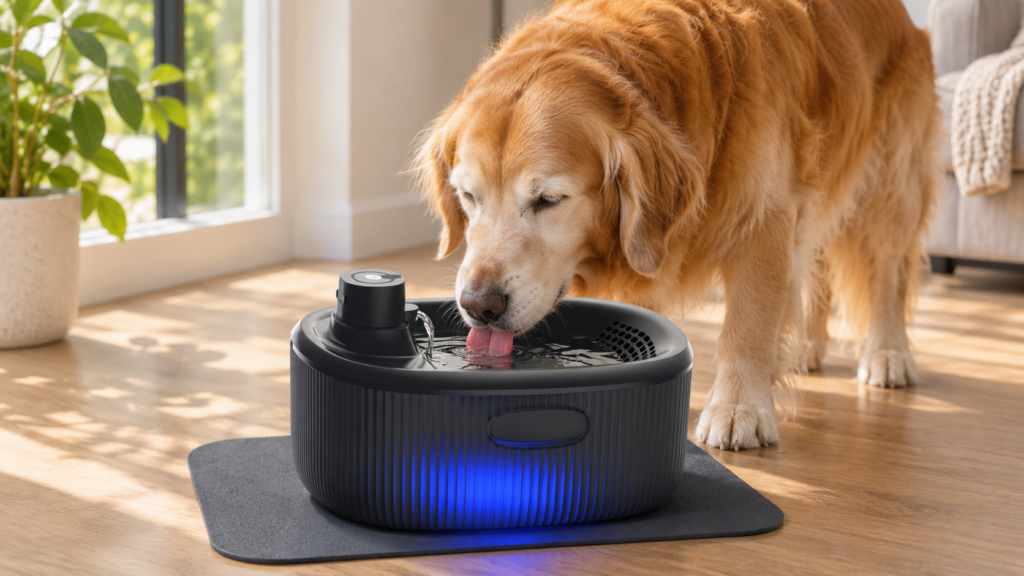
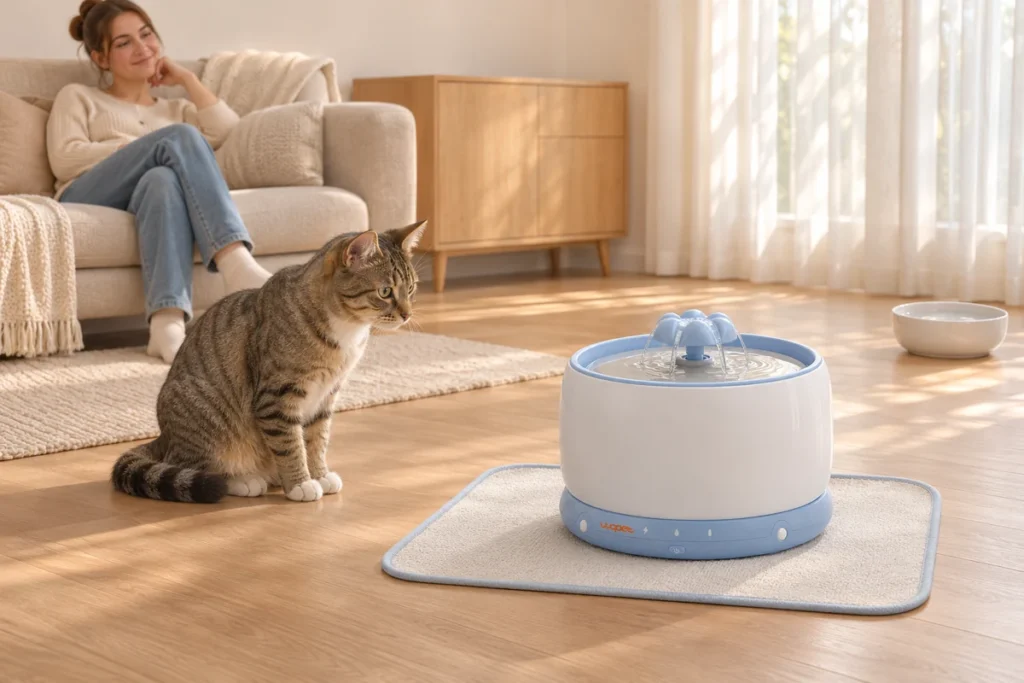
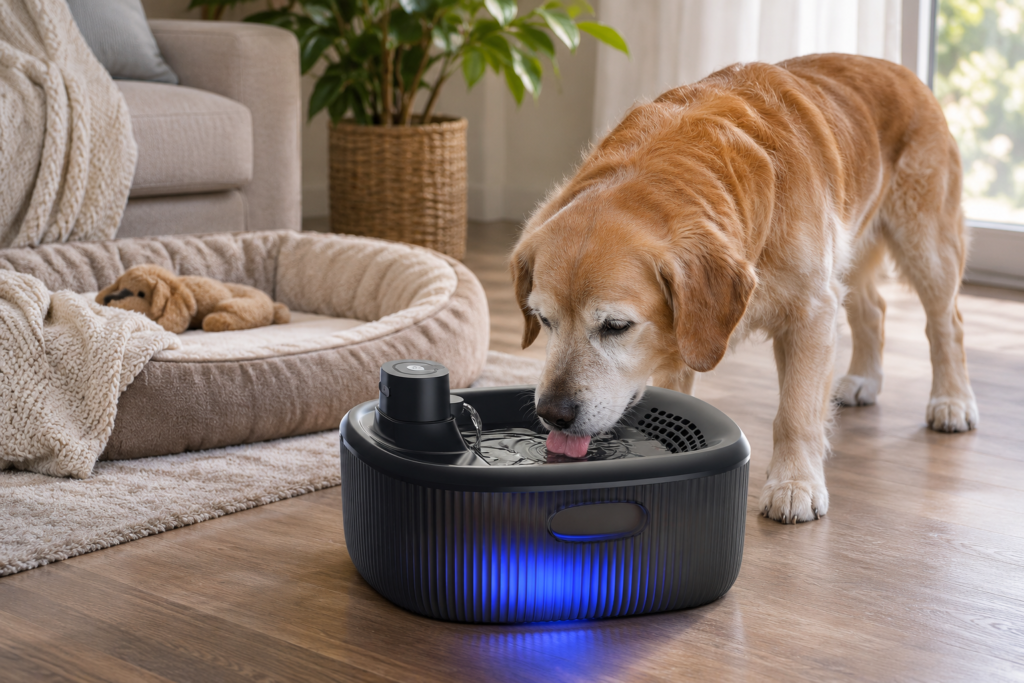
If your dog has stiff joints, reduced vision or tiring spells, a bowl across the house may be easy to overlook. Keep water in a familiar, well-lit spot near their favorite resting area. In a multi-level home, consider a station on each floor. Keep the route flat, clear and dry; a nonslip mat under the bowl can help keep the area steady.
2. Make the bowl comfortable to approach
Choose a stable bowl that does not slide or tip, and watch your dog drink. If bending looks uncomfortable, ask your veterinarian whether a raised bowl at a comfortable height could help; senior-care guidance sometimes recommends raising bowls to reduce joint strain, but the right setup depends on the individual dog. Keep the bowl stable, easy to reach and on a nonslip surface.
3. Refresh water and wash the bowl regularly
Hair, food crumbs and a stale smell can put a dog off. Empty and refill the bowl with fresh water, and wash the drinking surface as part of your daily routine. If your dog suddenly avoids a bowl, check for residue, nearby noise or a slippery floor before changing several things at once.
4. Offer a second water option
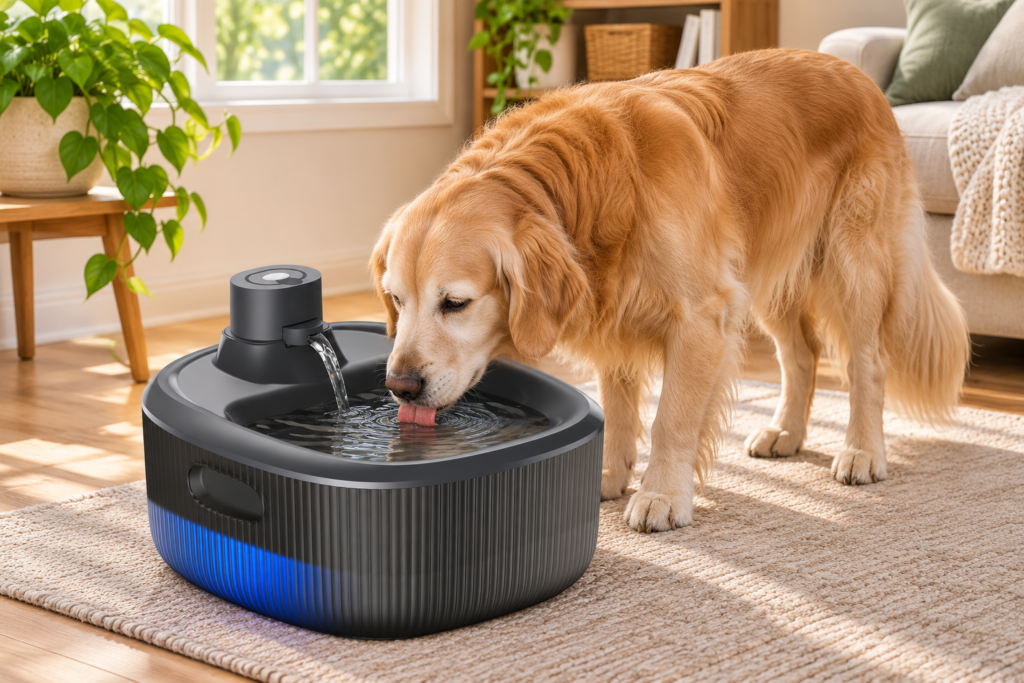
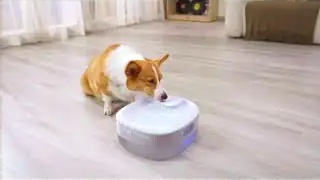
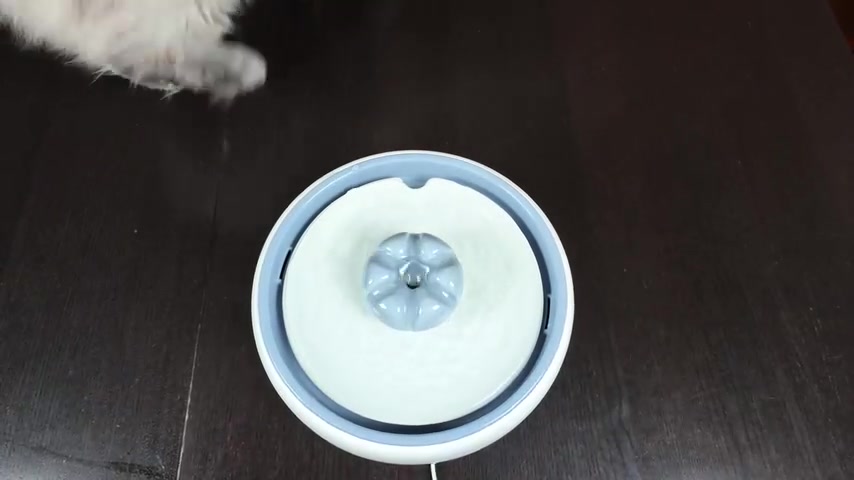
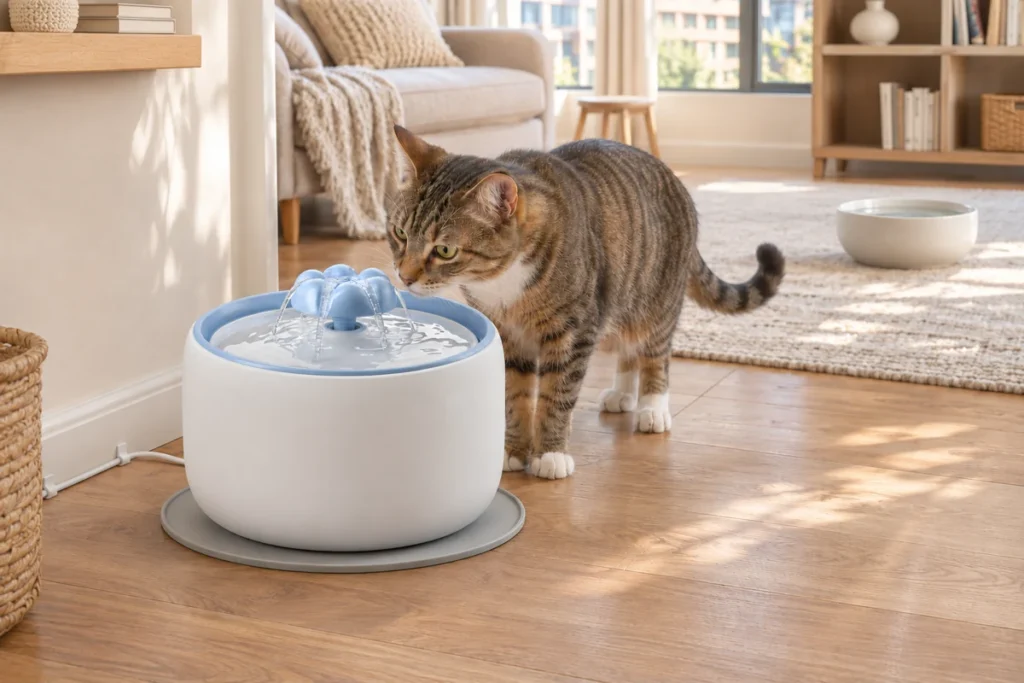
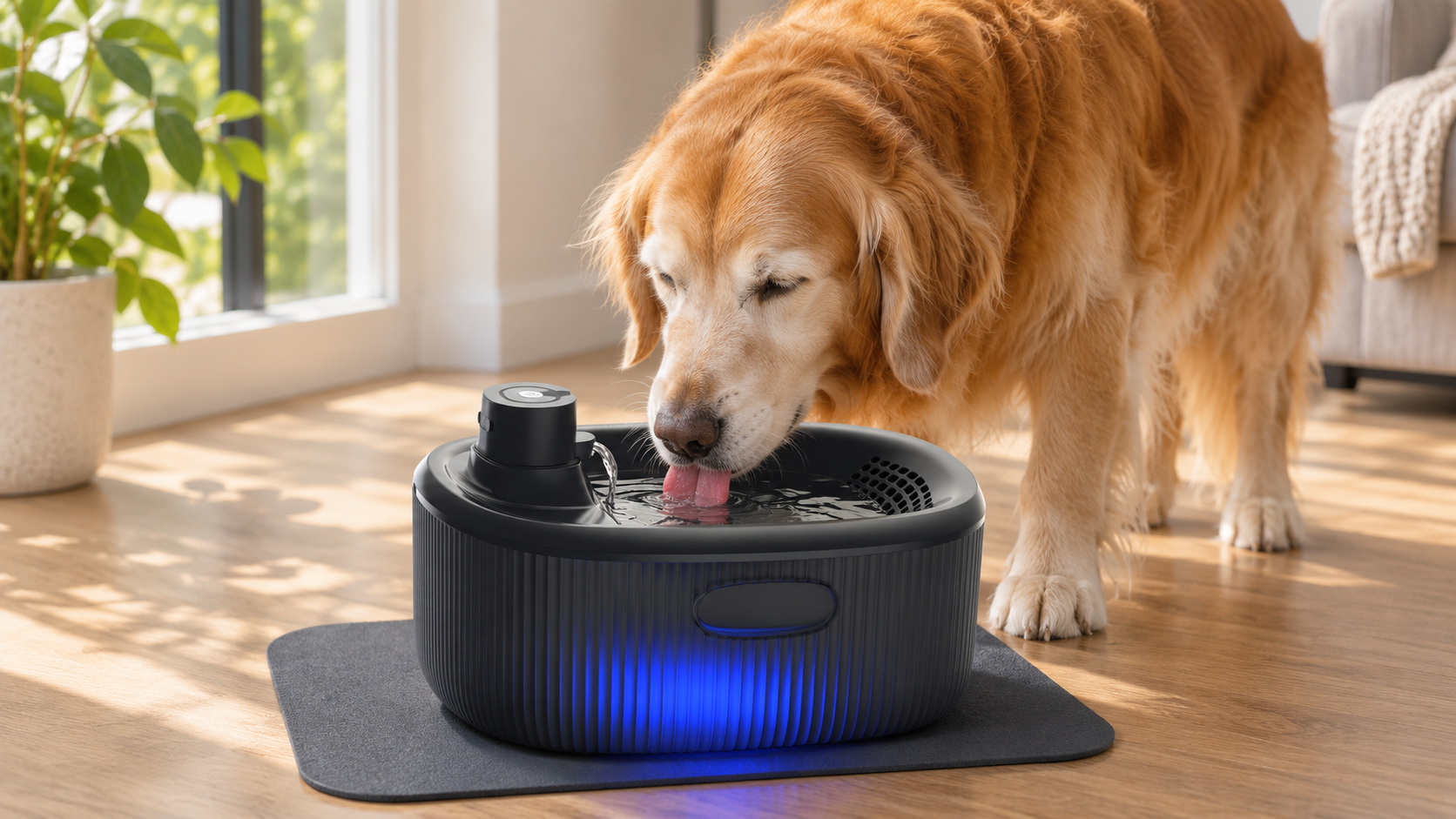
Some dogs prefer a wide, shallow bowl; others are curious about moving water, a different bowl material or cooler water. Offer one new option at a time alongside the familiar clean bowl so you can see what your dog actually prefers. If you introduce a fountain, leave the old bowl available and let your dog investigate without coaxing or pressure. Flowing water may appeal to some pets, but it will not suit every dog.
5. Keep the water station easy to maintain
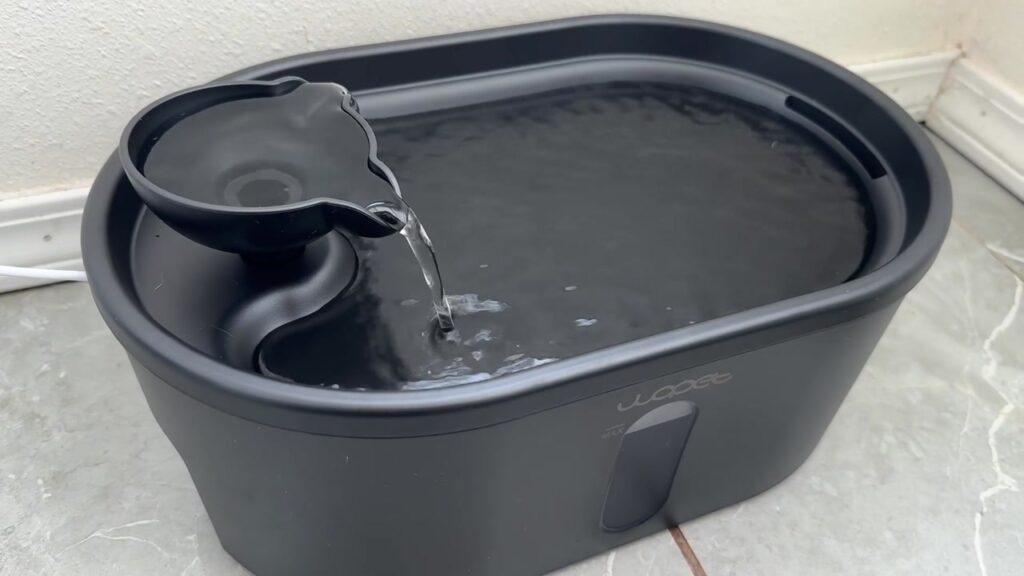
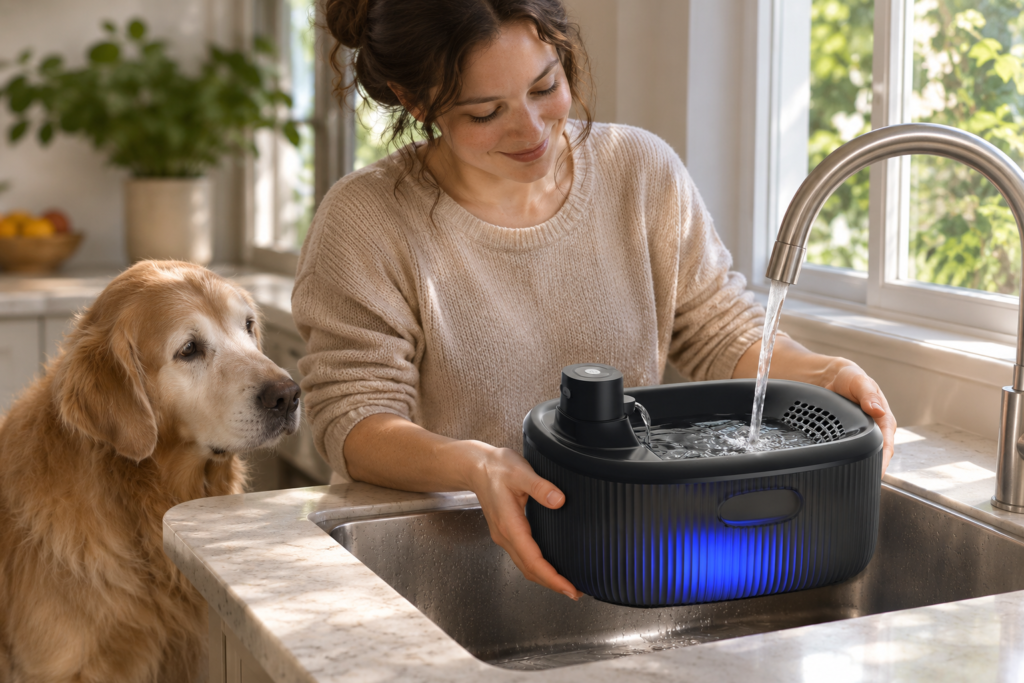
A fountain is only useful when it is working and clean. Check water level and visible debris every day, and clean and replace filters according to the instructions for that exact model. Keep a separate bowl of fresh water available during cleaning, charging or a power interruption. See the WOPET filter replacement guide and the product manuals for care details.
6. Ask your vet before changing food or adding flavor
Wet food contains more moisture than dry food, and adding a little water to a familiar meal may help some dogs. Check with your veterinarian before changing meals or adding water if your dog is on a prescription diet or has a condition that affects food or fluid choices. Do not add broth, flavorings, supplements or water additives unless your vet says they are suitable. Never force water into your dog’s mouth.
7. Notice patterns without turning drinking into a chore
For a few days, note how much water you put out, refills, what remains, spills, meals and any changes in urination, energy or mobility. A marked jug can make the estimate easier. If several pets share a bowl, or your dog gets moisture from wet food, the water level alone cannot tell you exactly how much that dog drank. These simple notes can help your veterinarian understand what changed.
8. Keep water available during warm weather and after activity
Offer fresh water after a walk and make sure your dog can reach it during warm weather. Let them drink at their own pace. Do not restrict water to reduce accidents or encourage them to drink a large amount at once.
Could the WOPET W600 PRO fit your dog’s routine?
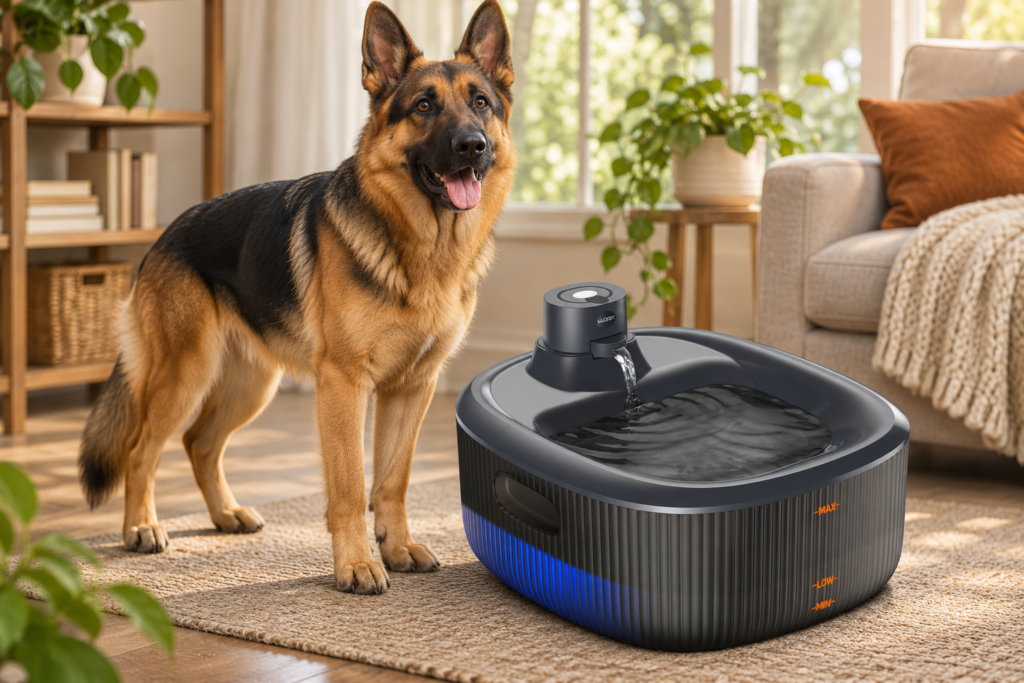
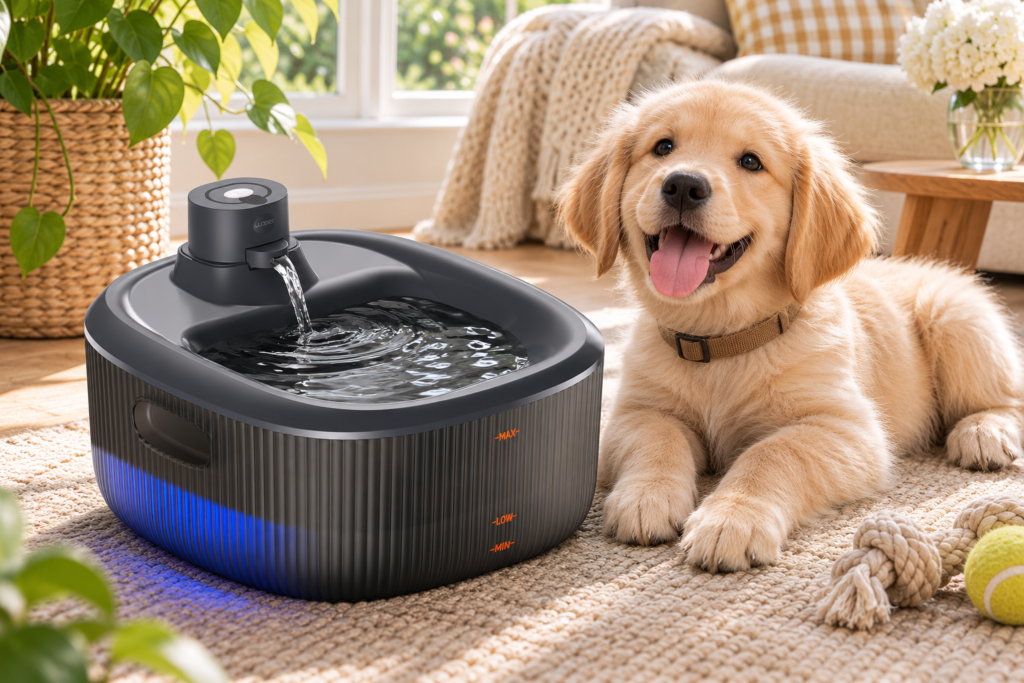
If your dog likes moving water and you want a station that can be placed away from an outlet, the WOPET W600 PRO is one option to consider. It has a 6 L reservoir, rechargeable cordless operation and a sensor mode described on the product listing. Cordless placement can make it easier to position the fountain near a familiar resting area, but it does not guarantee that a dog will drink more. Check the model’s manual for charging, operating modes and cleaning; keep a clean backup bowl available and continue daily checks.
Choose a setup your dog can approach comfortably and that you can keep clean. If your dog dislikes the fountain, the familiar bowl is still a good choice.
When should you call the veterinarian?
Contact your veterinarian promptly if your dog suddenly drinks much less or much more, urinates differently, loses appetite, vomits, has diarrhea, seems weak or unusually tired, or shows signs of mouth pain. Dry or tacky gums, inability to keep water down, marked weakness or rapid decline need prompt attention. Do not wait for a fountain or food change to fix a sudden change in thirst, and do not restrict water.
For another perspective on water intake in older dogs, read Dogevera’s article on older dogs drinking a lot of water. A large or sudden increase can matter just as much as drinking less, so share the change with your vet rather than trying to limit water.
Frequently asked questions
Should I add water to my senior dog’s food?
Ask your veterinarian first, especially if your dog eats a prescription diet or has a health condition. You can also keep fresh water available separately so your dog can choose.
Will a fountain make an older dog drink more?
It may interest a dog that already prefers moving water, but preferences vary. Keep the usual bowl available during the introduction, and talk to your vet if drinking has changed.
How much water should an older dog drink?
A commonly used rough reference is about 1 fluid ounce per pound of body weight a day, but it is not a one-size-fits-all target and food moisture counts toward hydration. Ask your veterinarian for a plan if your dog has a chronic condition or takes medication, and report a clear change from their usual drinking pattern.
Should I worry if my older dog suddenly drinks more?
Yes, a persistent change is worth discussing with your veterinarian, particularly if urination has also increased or your dog seems unwell. Do not restrict water.